

Menopause changes your body, but that doesn’t mean you stop feeling strong, energetic, and confident. In fact, this stage of life is one of the most important times to move your body with purpose.
As a 60-year-old trainer who has worked with women for decades, I can tell you this: the workouts that worked in your 20s and 30s may not serve you the same way now. Hormonal shifts affect muscle mass, bone density, metabolism, sleep, recovery, and even balance. That’s why a smarter, more balanced approach matters.
The good news? You don’t need punishing workouts or hours at the gym.
The best menopause workout plan focuses on five key areas that support healthy aging, mobility, strength, and overall wellness. When you combine these pillars consistently, you build a body that feels capable for the long haul.
Here are the five areas I encourage every woman in midlife to prioritize.
1. Resistance Training for Muscle, Bones, and Metabolism
If there’s one thing I want women over 40 to embrace, it’s strength training.
During menopause, declining estrogen contributes to muscle loss and decreased bone density. This can affect everything from metabolism to posture to everyday energy levels. Resistance training helps counteract those changes.
Strength training can:
- Preserve lean muscle mass
- Support bone health
- Improve posture and balance
- Help maintain a healthy metabolism
- Increase confidence and functional strength
And no, lifting weights will not make you bulky. That’s just one of those common women’s fitness myths I’m begging you to ignore.
I often tell women that strength training is about building capability. You want to carry groceries with ease, get up off the floor comfortably, travel confidently, and stay independent as you age.
Beginner-Friendly Resistance Exercises
If you’re new to strength training, start with two to three sessions per week and focus on consistency over intensity. Use my favorite strength training moves for women over 50 to get started!
At 60, I still prioritize lifting weights because I feel stronger, steadier, and more energized when I do.
Helpful Gear
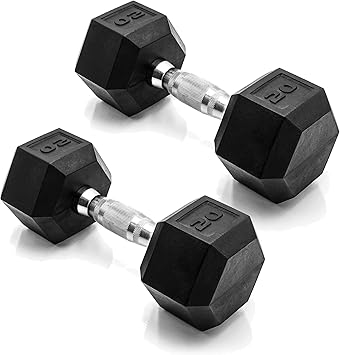
A good pair of dumbbells and resistance bands can completely transform home workouts. I also love supportive training shoes that cushion joints during strength sessions.


2. Mobility Work to Keep Joints Healthy
Many women notice increased stiffness during menopause. Hips feel tighter. Shoulders ache. Getting out of bed suddenly takes a minute longer.
Mobility training helps keep your joints moving well and supports better movement patterns during daily life and workouts.
Mobility is different from flexibility. Flexibility focuses on muscle length, while mobility helps improve how your joints move through their full range of motion.
This becomes especially important during midlife because:
- Estrogen changes can impact connective tissue
- Sedentary habits increase stiffness
- Joint discomfort becomes more common
- Recovery may take longer
Simple Ways to Improve Mobility
- Dynamic warm up stretching before workouts
- Foam rolling
- Yoga flows
- Hip openers
- Thoracic spine rotations
- Ankle mobility drills
Even 10 minutes daily can make a noticeable difference.
I personally love adding mobility work in the morning because it helps me feel less stiff and more energized for the day ahead.
Use my favorite mobility exercises to get started!
Joint-Friendly Tip
Low-impact workouts like yoga, Pilates, and walking pair beautifully with mobility training during menopause.
If your knees or hips are sensitive, choose supportive mats and foam rollers that provide extra cushioning and stability.

3. Balance Training to Prevent Falls and Build Confidence
Balance often gets overlooked until we start noticing changes.
Hormonal shifts, muscle loss, and aging can all affect stability and coordination. Practicing balance exercises now helps prevent falls later and improves confidence in everyday movement.
Balance training also strengthens smaller stabilizing muscles that support your joints.
Easy Balance Exercises to Try
- Standing on one foot
- Heel-to-toe walking
- Step-ups
- Single-leg deadlifts
- Stability ball exercises
- Tai chi or daily yoga
Explore my favorite balance exercises for seniors as a gentle way to get started.
One of my favorite habits is practicing balance while brushing my teeth. It sounds simple, but those little moments challenge your body in functional ways.
Why Balance Matters During Menopause
Good balance supports:
- Joint stability
- Core strength
- Coordination
- Better posture
- Injury prevention
And honestly, feeling steady and confident in your body is empowering at every age.
4. Cardiovascular Exercise for Heart Health and Energy
Heart health becomes increasingly important after menopause. Estrogen helps protect cardiovascular health, so when levels decline, women may face a higher risk of heart disease.
That’s why cardio matters, but it doesn’t have to mean endless high-intensity workouts.
The goal is to keep your heart healthy while supporting recovery and reducing stress on your joints.
Menopause-Friendly Cardio Options
- Walking
- Cycling
- Swimming
- Hiking
- Low-impact HIIT
- Dance workouts
Walking remains one of my favorite forms of cardio because it’s accessible, gentle on joints, and incredibly effective.
I always encourage women to find movement they genuinely enjoy because consistency matters more than perfection.
How Much Cardio Do You Need?
Aim for:
- 150 minutes of moderate cardio weekly
or - 75 minutes of vigorous cardio
You can break this into manageable sessions that fit your schedule.
Walking Essentials
Supportive walking shoes are worth every penny during midlife. Proper cushioning and arch support can make a huge difference for knees, hips, and lower back comfort.
I put together a guide on how to choose comfortable walking shoes in middle age, and also highlighted my favorite pairs. PS. They cost way less than the “designer” brands!
5. Mindfulness and Recovery for Stress Management
Menopause affects more than just your physical body. Stress, sleep disruptions, mood swings, and anxiety can all become more noticeable during this season of life.
That’s why mindfulness and recovery deserve a place in your wellness routine.
You cannot push hard every single day and expect your body to thrive.
Recovery practices help:
- Lower stress hormones
- Improve sleep quality
- Support muscle repair
- Reduce inflammation
- Improve emotional well-being
Simple Mindfulness Practices
One thing I’ve learned over the years is that slowing down can actually help you feel stronger.
Recovery isn’t lazy. It’s productive.
Sleep Matters Too
Sleep becomes even more important during menopause because it affects hormones, cravings, energy, and recovery.
Create calming evening routines and prioritize rest whenever possible.
Try these sleep gadgets for midlife women to finally start getting better rest!
The Bottom Line on Menopause Fitness
The best menopause workout plan isn’t about doing more. It’s about doing what supports your body best during this stage of life.
Prioritize:
- Resistance training
- Mobility
- Balance
- Cardiovascular health
- Mindfulness and recovery
Together, these five pillars help you stay strong, capable, energized, and confident for years to come.
And remember, you do not need to be perfect to feel better. A few intentional habits practiced consistently can completely change how you move and feel during midlife.
Your body is not working against you. It’s asking for a different kind of support.
And trust me, it’s worth listening.